
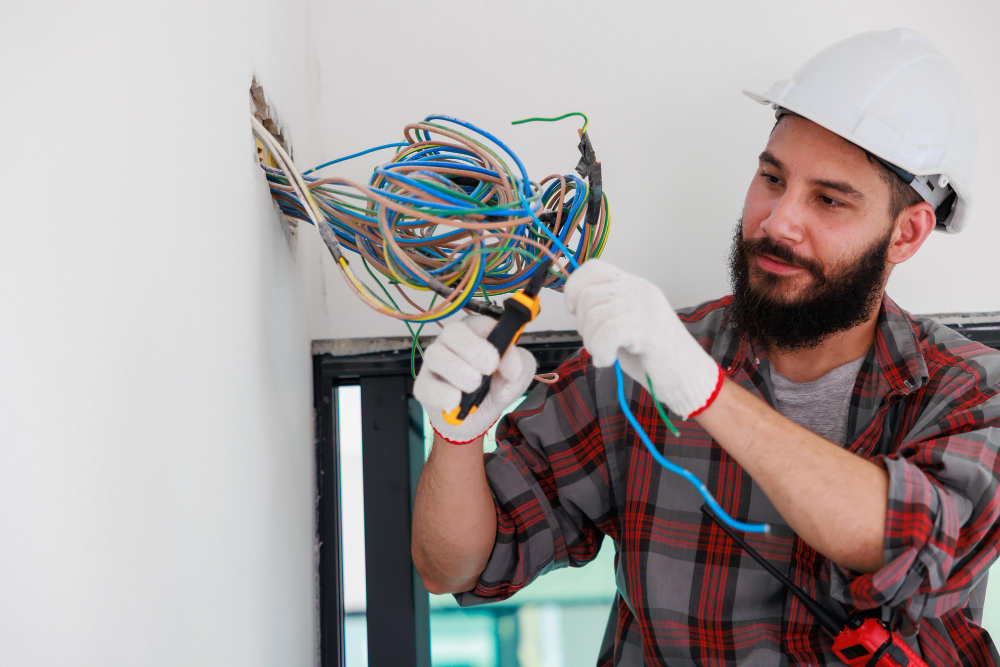
Electrical repairs in Dover support safe, efficient and compliant electrical systems across homes and businesses, delivered by qualified electricians and fully insured electrical contractors. Local electrical services cover fault finding, fixing electrical faults, upgrading wiring, repairing electrical panels and resolving electrical issues that affect performance or safety. Emergency electricians and 24-hour emergency electrician teams respond quickly to urgent hazards such as faulty wiring, tripping circuit breakers or overheating appliances. Domestic appliance repair services include oven repair, cooker repairs, tumble dryer repair, washing machine repair, dishwasher repair and refrigeration repair, helping households keep essential appliances running. Residential electricians and commercial electricians also provide electrical installation, electrical testing, maintenance, and safety inspections, ensuring every electrical system in the Dover area meets UK standards.
What electrical issues do Dover homes face most often?
Electrical repairs in Dover commonly address ageing wiring, tripping circuit breakers, failing electrical panels, and domestic appliance faults. A qualified electrician or electrician Dover handles a wide range of electrical issues affecting both older and modern homes. Properties in the Dover area often experience problems linked to overloaded appliances such as tumble dryers, stainless steel ovens, and washer dryers, which place heavy demand on the electrical system. Both residential electricians and commercial electricians carry out repairs, electrical testing, and maintenance to prevent recurring disruptions. Fully insured electrical contractors including Ashford Electrical and teams from Tunbridge Wells ensure every electrical repair meets UK regulations.
Common Issues in Dover Homes
- Faulty wiring and overheating cables
- Constant circuit breaker tripping
- Worn electrical panels
- Malfunctioning domestic appliances
- Appliance overload causing electrical faults
Electrical Issues & Causes
| Electrical Problem | Common Cause | Required Service |
|---|---|---|
| Tripping circuits | Overloaded appliances | Fault finding |
| Hot sockets | Loose wiring | Electrical repair |
| Appliance failure | Internal wiring faults | Appliance repair |
| Flickering lights | Damaged circuits | Electrical services |
How do frequent faults impact safety and reliability?
Frequent electrical faults directly affect home safety and reduce the reliability of the entire electrical system. Problems such as faulty wiring, damaged insulation, and overheating electrical panels increase the risk of electrical fires. Repeated circuit breaker trips often signal deeper issues that require urgent attention from a professional electrician or 24 hour emergency electrician. Domestic appliances like oven repairs, tumble dryer repair, and dishwasher repair may also cause system strain when internal wiring deteriorates. Regular safety inspections, electrical testing, and maintenance ensure that each household appliance and circuit remains safe and compliant.
Safety Risks from Unresolved Faults
- Fire hazards caused by damaged or overheated wiring
- Electric shock risks from exposed or loose connections
- Unstable circuits affecting refrigeration repair and washer dryer repairs
- Increased load on ageing electrical panels
Why does proper fault-finding stop repeat problems?
Proper fault finding identifies the underlying cause of persistent electrical issues rather than merely treating symptoms. A qualified electrician examines wiring routes, electrical panels, appliance load patterns, and internal connection points to create an accurate electrical diagnosis. This prevents repeated electrical repairs and long-term damage. In Dover, electricians also test appliances including ovens, tumble dryers, refrigeration units, and washing machines to detect hidden wiring defects. Systematic diagnostics by fully insured electrical contractors reduce the risk of future breakdowns and extend the lifespan of the entire electrical system.
Effective Fault-Finding Includes:
- Electrical testing on all circuits
- Inspection of wiring insulation quality
- Load assessment on appliance-heavy circuits
- Checking circuit breaker response patterns
How are emergency electrical problems managed in Dover?
Emergency electrical repairs in Dover require rapid action from specialised emergency electricians trained to handle hazards such as burning smells, sparking outlets, overheating appliances, or total power failure. A 24-hour emergency electrician isolates dangerous circuits, stabilises the electrical system, and restores essential supply. Homes experiencing sudden appliance failures-such as washer dryer breakdowns or overheating tumble dryers-often require immediate inspection to prevent fires. Fully insured electrical contractors from Dover and nearby areas deliver fast, compliant emergency responses.
Emergency Repair Scenarios
- Smoking electrical panel
- Repeated tripping during appliance use
- Sparks from sockets or stainless steel oven wiring
- Water-damaged electrics
What warning signs show an immediate electrical danger?
Electrical danger is usually signalled by noticeable symptoms that indicate hazardous faults within the system. Buzzing switches, hot outlets, burning odours, and visible sparks all suggest faulty wiring or overloaded breakers. Older domestic appliances, especially tumble dryers, ovens, and dishwashers, may overheat if internal wiring fails. An emergency electrician must assess the system immediately to prevent fire or electric shock.
Critical Warning Signs
- Burning smells near outlets or appliances
- Hot consumer units or electrical panels
- Flickering lights combined with buzzing noises
- Constant circuit breaker tripping
- Smoke from appliances
How quickly should Dover electricians respond to emergencies?
Emergency electricians in the Dover area aim to reach properties as quickly as possible due to the high fire risk linked to faulty wiring and overloaded appliances. A 24 hour emergency electrician typically prioritises calls involving smoke, sparks, or total power outages affecting essential domestic appliances. Fast attendance helps protect property, ensures compliance with safety standards, and reduces insurance risks. Professional emergency teams from Dover, Ashford Electrical, and Tunbridge Wells deliver stabilisation and essential repairs immediately upon arrival.
Rapid Response Priorities
- Isolate live hazards
- Stabilise faulty circuits
- Inspect appliance wiring for failures
- Restore safe electrical supply
Why is updated wiring important for Dover properties?
Updated wiring ensures that Dover homes can safely support modern appliance loads, particularly from high-demand items such as tumble dryers, stainless steel ovens, and washer dryers. Many older homes still rely on outdated wiring that cannot handle today’s electrical needs. A qualified electrician performs electrical testing to identify risk areas and recommends rewiring where necessary. Fully insured electrical contractors also upgrade electrical panels, replace outdated cables, and ensure every circuit complies with BS 7671 regulations.
Benefits of Updated Wiring
- Reduced fire risk
- Improved appliance performance
- Better energy efficiency
- Greater electrical system reliability
How do ageing cables increase fire risks?
Ageing cables suffer from brittle insulation, loose joints, and damaged copper conductors. When powering appliances-especially tumble dryers, ovens, and washing machines-these worn cables can overheat and ignite. Electrical contractors inspect wiring runs, appliance connections, and electrical panels to detect signs of thermal damage.
Fire Risk Indicators
- Discoloured sockets
- Warm cables
- Burning odours
- Frequent circuit breaker trips
Which wiring rules apply to older Dover homes?
Older Dover homes must comply with modern wiring standards under BS 7671, ensuring safe circuits, RCD protection, correct earthing, and reliable electrical installation methods. A professional electrician or electrical contractor ensures the property meets safety expectations during rewiring or electrical repair projects.
Required Standards Table
| Standard Requirement | Purpose |
|---|---|
| RCD protection | Prevent electric shock |
| Proper earthing | Reduce fault risk |
| Insulated wiring | Prevent overheating |
| Updated consumer unit | Enhance fire safety |
How do experts improve fuse box and consumer unit safety in Dover?
Improving fuse box and consumer unit safety is a key part of electrical repairs Dover, ensuring every property’s electrical system remains stable and compliant. A qualified electrician or fully insured electrical contractor inspects the electrical panel, checks for faulty wiring, and upgrades outdated components that no longer meet modern electrical needs. Many older fuse boxes lack RCD protection, making them more vulnerable to electrical faults, power surges, and fire risks. Electrical contractors from the Dover area, Ashford Electrical, and Tunbridge Wells carry out electrical installation upgrades, safety inspections, and maintenance to strengthen overall system safety. Replacing worn fuses and modernising consumer units also reduces the likelihood of emergency electrical repairs and improves appliance reliability.
What issues appear in outdated fuse boxes?
Outdated fuse boxes often contain old wiring methods, weak terminals, and fuse carriers that cannot support modern domestic appliance loads such as ovens, washer dryers, and tumble dryers. These units lack essential safety features, including RCDs, which protect against electrical shocks and dangerous faults. A professional electrician or electrician Dover frequently encounters overheating circuits, loose fuse holders, and corrosion inside older panels. These issues increase the risk of electrical faults during appliance repair or cooker repairs and often cause repeated power tripping. Regular electrical testing identifies these defects early, preventing emergency electrician callouts.
Common Problems in Old Fuse Boxes
- No RCD protection
- Loose or corroded fuse holders
- Overheated wiring
- Fuses blowing under normal loads
- Burn marks or insulation breakdown
When is replacing the consumer unit the safest choice?
Replacing the consumer unit becomes essential when the existing system cannot safely support the property’s electrical needs. Older units lack modern protection devices, making them unsuitable for high-load appliances such as stainless steel ovens, refrigeration units, or washing machines. A qualified electrician recommends replacement when electrical testing shows persistent overheating, signs of burning, frequent fuse failures, or faulty wiring linked to major electrical issues. Upgrading ensures legal compliance, improves safety during appliance repair, and supports long-term maintenance.
Consumer Unit Replacement Indicators Table
| Safety Issue | Risk Level | Required Action |
|---|---|---|
| No RCDs | High | Full replacement |
| Overheating circuits | High | Upgrade wiring + unit |
| Fuse deterioration | Medium | Install modern breakers |
| Frequent tripping | Medium | Fault finding + unit change |
How do electricians diagnose and fix tripping power in Dover homes?
Electricians diagnose tripping power by assessing the circuit breaker, electrical panel, wiring condition, and appliance load. A professional electrician conducts load testing, fault finding, and electrical testing to isolate the cause. In many tripping cases, household appliances like tumble dryers, ovens, or dishwashers overload the circuit. Residential electricians and commercial electricians in the Dover area use calibrated tools to detect faults, repair wiring, and rebalance circuits. Fully insured electrical contractors ensure that repairs meet UK standards and prevent repeated electrical problems that might require emergency electricians.
Why do overloaded circuits trigger constant tripping?
Overloaded circuits trip because they cannot handle the electrical demand placed by modern domestic appliances. High-wattage appliances such as tumble dryers, stainless steel ovens, and washer dryers generate significant load, causing the circuit breaker to trip to prevent overheating. Faulty wiring or deteriorated cables add further strain. A qualified electrician checks the wiring, electrical panel, and appliance connections to identify unsafe loads. Electrical repairs Dover teams often recommend circuit upgrades or rewiring to prevent future tripping.
Key Overload Causes
- Too many appliances on one circuit
- High-load appliances exceeding circuit capacity
- Faulty extension use
- Damaged conductors or loose terminals
How do faulty appliances lead to power cuts?
Faulty appliances often create short circuits, ground faults, or overheating conditions that cause immediate power loss. Repairs involving oven repair, tumble dryer repair, dishwasher repair, and refrigeration repair frequently reveal internal wiring damage that disrupts power flow. When an appliance develops an internal short, the circuit breaker trips to cut power for safety. Electricians in Dover inspect the appliance, wiring, and electrical panel to locate the origin of the fault. Maintaining appliances through regular appliance repair prevents unexpected electrical issues.
Appliances Most Linked to Power Cuts
- Tumble dryers
- Washing machines
- Ovens and cookers
- Refrigeration units
What extra tests help support electrical repair work in Dover?
Electricians perform additional diagnostic tests to ensure electrical repairs are safe, compliant, and long-lasting. These include electrical testing, insulation resistance checks, earth continuity testing, and bonding inspections. A qualified electrician examines the entire electrical system, ensuring compatibility with all domestic appliances. These tests help prevent hidden electrical faults that might lead to emergency electrical repairs or issues involving appliance repair. Fully insured electrical contractors across the Dover area use advanced instruments to verify reliability after each repair or electrical installation.
Why are insulation checks vital during repairs?
Insulation checks detect damaged wiring insulation, which leads to overheating, short circuits, or electrical fires. With older appliances such as ovens, tumble dryers, and washer dryers, worn insulation is common, increasing risk. Electrical testing measures resistance levels to ensure each cable remains safe and compliant. Electricians recommend insulation checks during any electrical repair to protect the entire electrical system from future faults.
Benefits of Insulation Testing
- Prevents overheating
- Identifies hidden wiring decay
- Reduces fire risk
- Ensures safe appliance performance
How do earthing and bonding tests ensure long-term safety?
Earthing and bonding tests protect against electric shock and ensure the electrical system safely redirects fault currents. A professional electrician tests bonding on metal pipes, stainless steel appliances, and exposed conductive parts to ensure they are grounded correctly. These tests are essential after electrical repairs, wiring upgrades, and appliance installation. Proper bonding reduces risk during appliance repair tasks such as cooker repairs or refrigerator repair.
Earthing Test Checks
- Earth resistance values
- Continuity of earth conductors
- Proper bonding of metal appliance casings
- Compliance with BS 7671 regulations
How do electrical repairs link to energy efficiency in Dover homes?
Electrical repairs improve energy efficiency by identifying hidden faults that cause power waste. Electricians inspect circuits, wiring, and domestic appliances to detect inefficiencies. A failing appliance-such as a washing machine, oven, or refrigerator-often consumes excessive power due to internal faults. Replacing old wiring, updating electrical panels, and performing maintenance all reduce energy loss. Electrical services in Dover also include recommending modern appliances and efficient wiring layouts to lower running costs.
How do repair findings reveal wasted energy?
During repairs, electricians often uncover issues like overheating cables, loose terminals, and appliance faults that increase electricity use. Appliances needing repair, such as tumble dryers or dishwashers, may draw excess current when internal wiring deteriorates. Fault finding and electrical testing reveal inefficient circuits that benefit from upgrades or rewiring.
Energy Waste Indicators
- Overheating circuits
- Unusual appliance noise
- High electricity bills
- Frequent tripping
How do compliance rules and insurance affect electrical repairs in Dover?
Compliance rules require all electrical work to meet BS 7671 and local safety standards. Insurance companies demand that repairs be completed by a qualified electrician or fully insured electrical contractors. Homes in the Dover area undergoing electrical repairs or electrical installation often need certificates to validate safety. Compliance protects homeowners from liability and ensures the electrical system remains safe for domestic appliance use.
Why must landlords secure updated EICR reports?
Landlords in Dover must obtain an EICR (Electrical Installation Condition Report) to meet legal obligations. These reports ensure electrical safety, protect tenants, and validate that the system has no dangerous faults like faulty wiring or overloaded circuits. Failure to maintain updated EICRs may invalidate insurance or result in legal penalties.
EICR Benefits
- Confirms safety compliance
- Identifies electrical faults early
- required for tenancy agreements
- Supports insurance claims
FAQs
- What electrical issues are most common in Dover homes?
Electrical issues in Dover homes include faulty wiring, tripping breakers, ageing fuse boxes, and overloaded appliances.
- How do outdated fuse boxes put Dover homes at risk?
Outdated fuse boxes put Dover homes at risk by lacking RCD protection, overheating easily, and failing under modern appliance loads.
- Why do overloaded circuits keep tripping in Dover properties?
Overloaded circuits keep tripping in Dover properties because high-demand appliances exceed the circuit’s safe load capacity.
- How do faulty appliances cause sudden power cuts?
Faulty appliances cause sudden power cuts when internal wiring shorts, forcing the circuit breaker to disconnect power.
- Why are insulation resistance tests essential during electrical repairs?
Insulation resistance tests are essential because they detect deteriorated cable insulation that increases fire risk.
- How do earthing and bonding checks keep Dover homes safe?
Earthing and bonding checks keep Dover homes safe by ensuring fault currents are safely redirected away from metal surfaces.
- How do electrical repairs improve energy efficiency in Dover homes?
Electrical repairs improve energy efficiency by identifying faults that cause overheating, wasted power, and excessive appliance consumption.
- When is replacing a consumer unit the safest choice?
Replacing a consumer unit is the safest choice when the existing unit overheats, lacks RCDs, or trips repeatedly under normal load.
- Why must landlords in Dover have an updated EICR?
Landlords in Dover must have an updated EICR because it legally confirms wiring and installations are safe for tenants.
- How quickly should emergency electricians respond to electrical hazards in Dover?
Emergency electricians should respond quickly to electrical hazards because delays increase fire, shock, and system-failure risks.


