
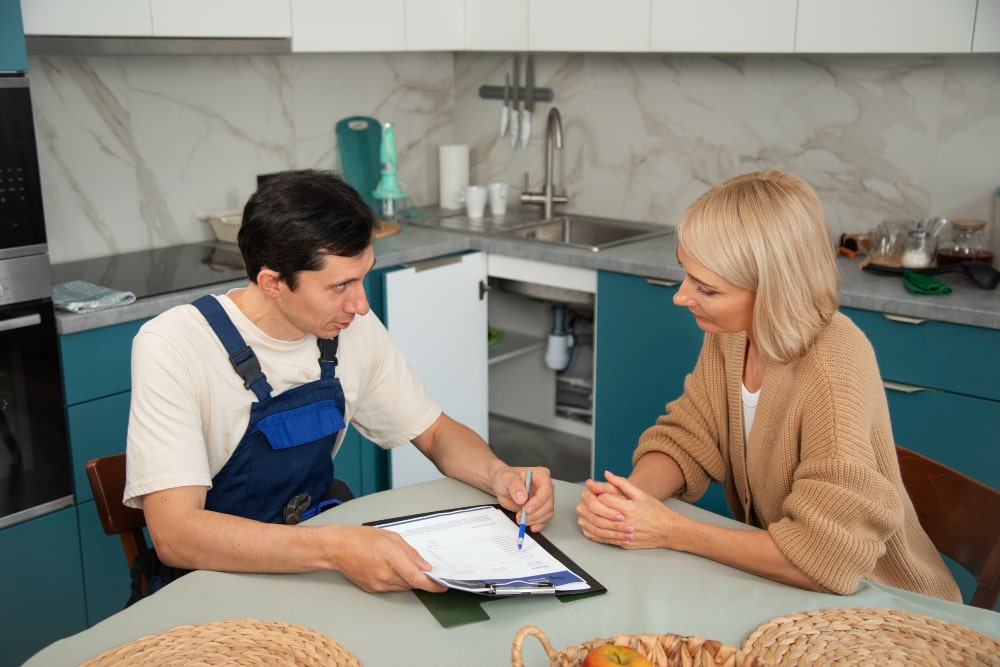
A reliable plumbing system is essential for every home, but unexpected plumbing issues can quickly lead to costly repairs if not handled correctly. Whether it’s a burst pipe flooding your kitchen, a blocked drain causing unpleasant odours, or a boiler repair needed in winter, knowing how to secure the right plumbing repairs deal is key to saving money and stress. Choosing a qualified plumber or gas engineer with experience in emergency plumbing services ensures that every plumbing job - from toilet repair and tap repairs to shower repairs and leak detection - is completed safely and efficiently.
Understanding how plumbing services are priced, when to request a fixed-rate plumbing service, and how to negotiate fair payment terms helps you avoid unnecessary costs. For smaller tasks like drain cleaning or pipe repair, a local plumber can often offer competitive rates, while more complex problems, such as a damaged pipe, boiler service, or emergency repair, may require a team of plumbing professionals.
This guide explains how to get the best plumbing repair deals, compare service options, and even decide when DIY solutions make sense. It also shows how regular maintenance prevents plumbing emergencies, reduces the risk of burst pipes, and extends the life of your domestic plumbing system.
How do you negotiate a better plumbing repair deal?
Negotiating a better plumbing repair deal relies on preparation, comparison, and clear communication before you hire any plumbing services. Start by researching typical prices for the type of plumbing work you need - whether that’s a boiler service, toilet repair, pipe repair, or shower repairs - to understand what’s reasonable in your area. Contact at least three qualified plumbers or plumbing professionals and request written estimates that detail labour, materials, call-out fees, and any extra costs. Comparing quotes not only helps you identify fair pricing but also gives you leverage during negotiations.
To strengthen your position and reduce costs, focus on the following strategies:
- Bundle multiple tasks – Combining jobs such as tap repairs, leak detection, and drain cleaning in one visit often leads to discounts.
- Schedule non-urgent work in advance – Booking outside of peak hours or avoiding emergency plumbing services can reduce call-out rates.
- Discuss alternative options – Ask if there are more cost-effective materials or solutions suitable for your plumbing system.
- Negotiate value, not just price – Clarify whether follow-up visits, minor adjustments, or short-term warranties are included.
Finally, consider hiring a local plumber. They often charge less for travel and may be more flexible on pricing. A proactive approach - supported by market research, multiple quotes, and clear expectations - greatly increases your chances of securing a fair and competitive deal from a reliable plumber.
Perfect - here’s the rewritten main content for all the remaining sections, using paragraph-first structure with bullet points added only where they improve clarity and retrieval, following the same approach as the approved first section:
What bidding methods secure the lowest plumbing cost?
Securing the lowest cost for a plumbing repair depends heavily on how you approach the bidding process. Always collect quotes from multiple plumbing services and request itemised breakdowns of labour, materials, and additional fees. This helps you identify overpricing and negotiate more effectively. Encouraging competition among qualified plumbers ensures that you’re not overpaying for essential tasks such as boiler repairs, pipe repair, or drain cleaning.
To make the most of the bidding process:
- Request detailed quotes – Insist on line-by-line pricing for labour, parts, and any potential emergency plumbing service fees.
- Compare pricing structures – For smaller tasks like tap repairs or toilet repair, fixed bids may be cheaper, while larger or complex jobs might suit time-and-material estimates.
- Use seasonal timing – Some plumbing professionals offer lower rates during off-peak seasons or weekdays.
- Encourage competitive offers – Let plumbers know you are comparing quotes; it often motivates them to offer better deals.
This method ensures that whether you need help with a blocked drain, a leak detection, or a burst pipe, you’re more likely to secure a fair, cost-effective rate from a reliable plumber
When is a fixed price better than hourly plumbing rates?
Choosing between a fixed price and an hourly rate depends on the nature and complexity of the plumbing job. Fixed pricing is usually more cost-effective for straightforward tasks where the scope is clear, such as tap repair, toilet repair, or boiler service. It provides cost certainty and shields you from unexpected labour charges if the job takes longer than expected.
Hourly rates can be suitable for complex or uncertain problems, such as a damaged pipe, an unresolved leak, or a significant plumbing emergency, where the time required is difficult to predict. To protect yourself from escalating costs when choosing hourly billing, always:
- Set a cost ceiling – Agree on a maximum number of hours or total spend.
- Request time estimates upfront – Understand the likely range for completion.
- Monitor progress closely – Regular updates keep costs transparent.
Discuss both pricing options with your professional plumber before work begins. Understanding when each structure is more beneficial ensures that your plumbing needs are met efficiently and without unnecessary expenses.
What contract terms protect you in a plumbing deal?
Clear contract terms are essential for protecting your interests during any plumbing repair or emergency plumbing service. A written agreement should specify the full scope of the plumbing work, total costs, warranties, payment schedule, and responsibilities. This ensures that both you and the plumbing professionals understand what is expected, reducing the risk of disputes or hidden charges.
Important contract terms to include:
- Detailed scope of work – List all tasks, from boiler repairs and pipe repair to drain cleaning and leak detection.
- Payment structure – Outline whether payments are staged or due on completion.
- Warranty clauses – Ensure workmanship and materials are covered for a set period.
- Variation terms – Specify how changes, such as uncovering a damaged pipe, will be approved and priced.
- Liability and clean-up – Clarify who is responsible for restoring affected areas after work.
With these elements in place, you’re better protected when hiring a reliable plumber for anything from a burst pipe to complex drainage problems.
How can combining repairs cut overall plumbing costs?
Bundling multiple plumbing services into one visit is one of the most effective ways to reduce costs. When a skilled plumber addresses several issues during a single appointment - such as shower repairs, tap repair, toilet repair, and drain cleaning - you eliminate multiple call-out fees and often receive a discounted rate. This approach also allows the plumber to conduct a full assessment of your plumbing system, identifying potential problems before they turn into costly repairs.
Additional benefits of combining repairs:
- Preventative savings – Early detection of small leaks, blocked drains, or damaged pipes reduces the likelihood of major repairs later.
- Package deals – Many plumbing professionals offer reduced rates for planned, multi-task projects.
- Fewer disruptions – Consolidating work minimises downtime and repeat visits.
Bundling is especially useful for domestic plumbing maintenance, helping homeowners save money while keeping their plumbing system reliable and efficient.
What main factors influence plumbing repair pricing?
Several factors determine the cost of a plumbing repair, and understanding them can help you plan and negotiate better. The complexity of the plumbing issue plays a major role - straightforward tasks like tap repair or drain cleaning cost less than emergency responses to a burst pipe or blocked drain.
Other major cost drivers include:
- Urgency – Emergency plumbing services, such as night call-outs, are usually more expensive.
- Accessibility – Hard-to-reach pipes or buried drainage systems require more time and effort.
- Materials and parts – Components for boiler repairs or pipe repair affect the total price.
- Labour expertise – Rates vary between a local plumber, a gas engineer, or a highly qualified plumber.
- Additional diagnostics – Services like leak detection or camera inspections add to the bill.
By understanding these variables and discussing them openly with your professional plumber, you can budget accurately, compare quotes more effectively, and avoid overpaying for your plumbing work.
What pre-repair steps help lower plumbing quotes?
Taking a few steps before contacting a plumbing service can significantly reduce your repair costs. Start by gathering clear information about the plumbing problem. Use photos or videos to show signs of leaks, blocked drains, or a damaged pipe. This allows plumbing professionals to assess the situation more accurately and provide more precise quotes.
Other cost-saving steps include:
- Shut off the water supply – Limiting damage from a burst pipe before the plumber arrives can prevent more extensive repairs.
- Clear the work area – Ensuring easy access saves time and reduces labour costs.
- Request diagnostics first – A low-cost inspection helps you compare solutions before committing.
By preparing properly, you help the expert plumber estimate more accurately, which often leads to lower quotes and faster completion of the plumbing job.
What compromises can reduce your plumbing bill?
Making small compromises can significantly reduce the cost of plumbing repairs without sacrificing quality. One of the most effective methods is scheduling non-urgent plumbing work during regular hours instead of relying on costly emergency plumbing services. You can also discuss the possibility of the plumber grouping your job with other local appointments to cut travel expenses.
Other compromises to consider:
- Supplying fixtures – Buying your own parts for tap repairs, toilet repair, or shower repairs may lower material costs.
- Accepting minor finish differences – Leaving an access panel open after pipe repair can save on finishing work.
- Allowing flexible scheduling – Being flexible with appointment times can sometimes unlock discounted rates.
Discuss these options with your reliable plumber before work begins. These minor trade-offs often add up to meaningful savings while still resolving your plumbing needs effectively.
Should plumbing payments be staged or paid on completion?
The best payment structure depends on the size and scope of the plumbing job. For major work such as boiler service, large-scale drainage repairs, or fixing extensive burst pipes, staged payments linked to project milestones are the safest choice. This approach keeps the plumbing professionals accountable and ensures the project progresses as agreed.
For smaller jobs like tap repair, drain cleaning, or toilet repair, paying on completion is typically more practical and straightforward. To protect yourself financially:
- Avoid large upfront payments – Only pay deposits when necessary for special materials.
- Define payment terms in writing – Ensure all conditions are clearly outlined in the contract.
- Link payments to deliverables – Tie each payment to a completed stage of work.
Clear and structured payment terms build trust, reduce financial risk, and ensure your plumbing work is completed on time and to a high standard by a professional plumber.
What warranties or rebates reduce plumbing repair expenses?
Warranties and rebates play an essential role in lowering the lifetime cost of any plumbing repair. Many plumbing services offer labour warranties, which guarantee that if a plumbing issue reappears within a set period, the plumber will return to fix it free of charge. Parts warranties cover the cost of replacing faulty components installed during pipe repair, boiler repair, or toilet repair. Extended warranties offered by plumbing professionals can also include annual maintenance such as boiler service, scheduled leak detection, or drain cleaning, preventing small issues from becoming costly repairs.
Rebates provide another cost-saving opportunity. Some local councils, water companies, or manufacturers offer cashback or discounts for installing water-efficient fixtures or upgrading outdated elements of your plumbing system. These not only improve performance but also reduce water bills over time.
- Labour warranties: Cover future repair work on installation errors.
- Parts warranties: Protect against premature component failure.
- Rebates: Reduce upfront costs on upgrades or eco-friendly improvements.
Combining strong warranty coverage with available rebates ensures better long-term protection against expensive problems, helping homeowners maintain their domestic plumbing without financial strain.
What warranty options can cut plumbing repair costs?
Selecting the right warranty options can make a significant difference in managing the cost of plumbing repairs and protecting your investment in your plumbing system. Standard labour warranties guarantee free corrections if issues like leaks or faulty connections reoccur after pipe repair, boiler repairs, or tap repairs. Parts warranties cover essential components replaced during work - such as valves, seals, or fittings - ensuring you don’t pay again if these parts fail prematurely. Extended warranty plans offered by many plumbing professionals often include annual maintenance checks, drainage inspections, and scheduled boiler service, reducing the likelihood of unexpected failures.
When evaluating warranty options, always request written terms outlining the duration, coverage, and conditions. Some warranties are transferable, which can add value if you sell your property. Look for packages that include emergency support for problems like burst pipes or blocked drains, as these can lead to significant costs without coverage.
- Labour cover: Ensures free repairs if workmanship fails.
- Parts warranty: Replaces defective materials without cost.
- Extended service plans: Add regular leak detection and drain cleaning.
Well-chosen warranties give you peace of mind, reduce future repair bills, and ensure that a reliable plumber will address issues promptly if they arise.
When is DIY a cost-effective option for plumbing work?
DIY plumbing can save money when dealing with minor, straightforward tasks that don’t require specialist skills. Simple jobs like tap repair, replacing washers, or clearing a blocked drain can often be handled with basic tools, allowing you to avoid call-out fees from a local plumber. Tackling these small issues early prevents them from escalating into bigger, costly repairs. However, DIY is only cost-effective when the risk is low. Attempting complex tasks - such as boiler repairs, fixing a burst pipe, or addressing a damaged pipe - without the expertise of qualified plumbers or a gas engineer can lead to severe water damage, void warranties, or even create safety hazards.
DIY can also be useful for routine maintenance tasks like inspecting visible pipes for leaks or performing basic drain cleaning to maintain flow in your plumbing system. However, anything involving gas, sealed systems, or significant water pressure should always be handled by plumbing professionals.
- DIY-friendly tasks: Minor leaks, unclogging drains, tightening fittings.
- Professional tasks: Complex plumbing work, boiler service, and emergency repair.
By knowing when to act and when to call an expert plumber, you balance savings with safety and prevent avoidable expenses.
When does DIY plumbing save more than hiring a professional?
DIY plumbing saves the most money when the task is simple, predictable, and low-risk. Jobs such as tightening a joint, replacing a tap washer, or clearing a minor blocked drain are excellent opportunities to avoid service fees from a plumbing service. These straightforward repairs can prevent small plumbing issues from escalating into significant problems that demand costly professional intervention. However, the cost advantage disappears when dealing with complex or hazardous work. Attempting boiler repair, pipe repair, or resolving a burst pipe without the right knowledge or tools can lead to severe water damage, safety risks, or even legal issues if building regulations are breached.
DIY is also effective for preventive maintenance, like performing basic drain cleaning or checking for leaks around visible fittings. Yet, more intricate tasks - such as leak detection, repairing a damaged pipe inside walls, or handling gas-related plumbing - should always be entrusted to a qualified plumber or gas engineer.
- Where DIY wins: Simple fixes, basic maintenance, early problem detection.
- Where pros are needed: Large-scale repairs, complex plumbing jobs, plumbing emergencies.
Making the right choice between DIY and professional help protects your property and keeps overall plumbing costs manageable.
How does regular maintenance lower future plumbing costs?
Regular maintenance is one of the most effective ways to reduce future plumbing repair costs and extend the lifespan of your plumbing system. Scheduling routine boiler service, regular drain cleaning, and leak detection checks helps identify small issues - such as minor leaks, slow drainage, or early signs of a damaged pipe - before they develop into expensive plumbing emergencies. These inspections, performed by a skilled plumber, ensure components are functioning correctly and help maintain consistent water pressure and flow.
Preventative maintenance also improves efficiency, reducing utility costs and preventing sudden failures like burst pipes or severe drainage problems. Many plumbing services offer maintenance plans that include scheduled check-ups, cleaning, and adjustments to keep your domestic plumbing in top condition.
- Cost savings: Prevents small problems from escalating into major repairs.
- Longevity: Extends the life of pipes, fittings, and fixtures.
- Performance: Improves water efficiency and reduces long-term wear.
Partnering with a reliable plumber for regular inspections ensures your system operates smoothly, protects your home from water damage, and avoids unexpected repair bills.
How can routine maintenance prevent costly plumbing repairs?
Routine maintenance prevents costly plumbing repairs by catching problems before they become severe. Scheduled services - like annual boiler service, regular drain cleaning, and frequent leak detection - allow plumbing professionals to identify issues such as slow leaks, blocked drains, or corroded pipes early. Addressing these problems promptly prevents major failures, including burst pipes, water damage, and drainage system breakdowns, which are expensive to fix once they occur.
A professional plumber can also improve the performance of your plumbing system by sealing joints, cleaning buildup, and replacing worn components. This proactive care reduces pressure on the system and extends its lifespan.
- Early detection: Stops small faults from becoming plumbing emergencies.
- Efficiency gains: Keeps water flow consistent and reduces energy waste.
- Fewer breakdowns: Lowers the risk of unexpected emergency plumbing services.
Consistent maintenance not only cuts long-term costs but also ensures your plumbing needs are met reliably, keeping your home safe and your plumbing services efficient for years to come.
Final Thought
Securing the right plumbing repairs deal is about more than just finding the lowest quote - it’s about making informed decisions at every stage. From comparing bids and negotiating fair contract terms to understanding how warranties, rebates, and payment structures work, every detail matters. Knowing when a job is suitable for DIY and when to rely on qualified plumbers or a gas engineer prevents costly mistakes and ensures safety. Most importantly, investing in routine maintenance such as boiler service, drain cleaning, and regular leak detection reduces the risk of plumbing emergencies and extends the life of your entire plumbing system. With a strategic approach, you save money today while protecting your property for the long term.
FAQs
- How can a homeowner negotiate a better plumbing repair deal?
A homeowner negotiates a better plumbing repairs deal by comparing multiple quotes, bundling jobs, scheduling non-urgent work in advance, and discussing discounts with a reliable plumber.
- What factors influence plumbing repair costs the most?
Plumbing repair costs depend on job complexity, urgency, accessibility, materials, labour rates, and additional services like leak detection or drain cleaning
- When is fixed pricing better than hourly rates in plumbing?
Fixed pricing is better for defined tasks like tap repair or toilet repair, while hourly rates suit uncertain jobs like hidden leaks or damaged pipes.
- What contract terms should you include to protect a plumbing deal?
Contract terms should include scope of work, total cost, warranties, payment structure, variation clauses, and clean-up responsibilities.
- How does combining repairs help reduce overall plumbing costs?
Combining repairs reduces overall plumbing costs by cutting call-out fees, lowering labour charges, and allowing multiple issues to be fixed in one visit.


