
Introduction
Fire doors are an essential part of the passive fire protection system in any building. Their primary function is to compartmentalise and slow the spread of fire, smoke, and heat through a building, allowing for safe evacuation and preventing the fire from spreading to other areas. Whether in a residential home, a commercial office, or a public building, fire doors provide a critical safety feature.
In Kent, as in the rest of the UK, fire safety regulations are stringent, and there is a growing awareness of the importance of ensuring that fire doors are correctly installed and maintained. A fire door installer plays a crucial role in this process, ensuring that fire doors are fitted according to the highest safety standards and local building codes.
This guide provides a detailed look at the fire door installation process in Kent, from understanding the importance of fire doors to choosing a qualified installer, and ensuring ongoing compliance with fire safety regulations.
The Importance of Fire Doors
Fire doors are not just ordinary doors; they are specially designed to withstand fire for a specific period, typically 30 or 60 minutes. This fire resistance buys crucial time for the building's occupants to evacuate safely and helps to contain the fire, limiting damage to the property.
Key Functions of Fire Doors:
- Compartmentalisation: Fire doors help to create fire-resistant compartments within a building. By containing fire to one area, they prevent the spread of flames and smoke, which is the leading cause of fatalities in fires.
- Evacuation Support: The fire-resistant properties of fire doors give building occupants more time to escape in the event of a fire.
- Protection for Firefighters: By controlling the spread of fire, these doors make it safer for firefighters to enter the building and combat the blaze.
Fire doors are essential in any building with multiple occupants, from apartment buildings to schools, hospitals, and offices. They ensure compliance with fire safety regulations and are often required by law in specific building types.
Understanding Fire Door Ratings and Standards
Fire doors come with various ratings, which indicate how long the door can resist fire under test conditions. In the UK, the most common fire door ratings are:
- FD30: Provides 30 minutes of fire resistance.
- FD60: Provides 60 minutes of fire resistance.
These ratings are critical when choosing the right fire door for a particular building, as different properties will have different requirements depending on their size, occupancy, and layout. For example, larger commercial properties might require FD60 doors in specific areas, while smaller residential buildings may only need FD30 doors.
Key Considerations for Fire Door Ratings:
- Type of Building: Residential buildings typically require FD30 doors, while high-risk areas in commercial buildings, such as server rooms, may need FD60 doors.
- Location of Fire Doors: The placement of fire doors within a building can also affect the rating required. For example, doors leading to escape routes often require higher-rated doors.
Understanding these ratings is crucial to ensure that the fire doors installed meet the required safety standards.
Fire Safety Regulations in Kent
Kent, like all regions in the UK, follows strict fire safety regulations to protect occupants in both residential and commercial buildings. The key piece of legislation governing fire safety in the UK is the Regulatory Reform (Fire Safety) Order 2005 (also known as the Fire Safety Order).
Key Aspects of the Fire Safety Order:
- Fire Risk Assessments: Every building must undergo a fire risk assessment to identify potential hazards and ensure that appropriate fire safety measures, including fire doors, are in place.
- Responsible Person: The Fire Safety Order mandates that a "responsible person" must be appointed for every building to ensure that fire safety regulations are adhered to.
- Fire Door Compliance: Fire doors must be correctly installed and maintained to comply with fire safety regulations.
In Kent, local authorities and fire safety inspectors play a crucial role in ensuring compliance with these regulations. It's essential that fire doors are installed by a qualified professional to meet the necessary safety standards.
The Role of a Fire Door Installer
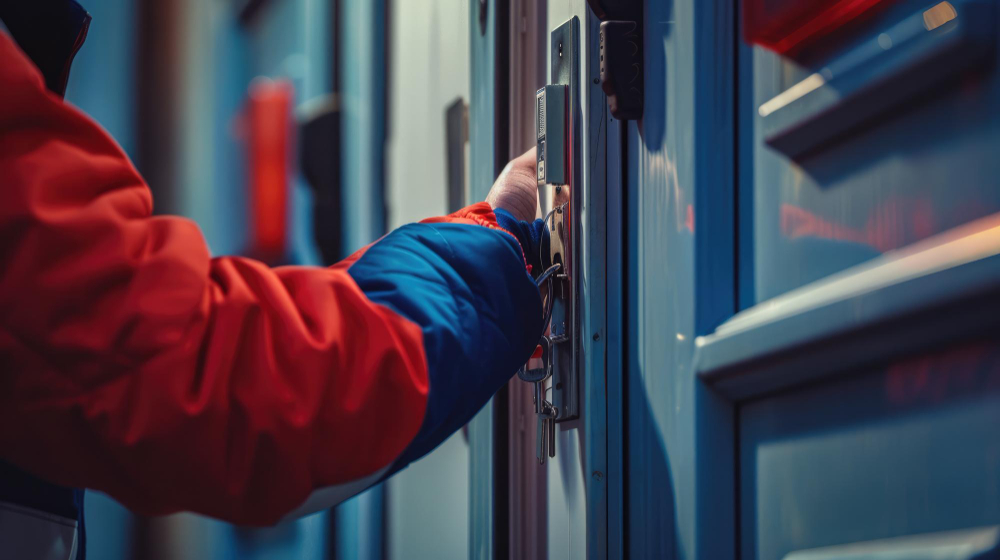
A fire door installer is a specialist responsible for fitting fire doors in a variety of buildings, ensuring that they meet the required safety standards. This role involves a high level of skill and knowledge, as incorrect installation can lead to fire doors failing in an emergency, compromising the safety of the building’s occupants.
Key Responsibilities of a Fire Door Installer:
- Assessing the Building Requirements: A professional fire door installer will first assess the building’s fire safety needs, including the fire risk assessment, to determine where fire doors are required and what ratings they should have.
- Choosing the Right Door: The installer will help select doors that meet the required fire ratings, are of the appropriate size, and are constructed from suitable materials.
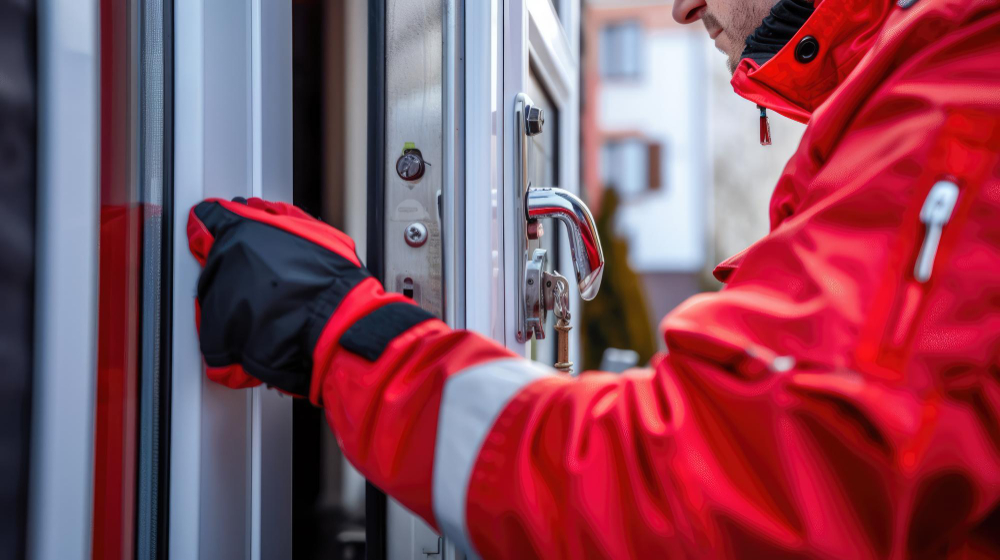
- Proper Installation: Installing fire doors involves fitting the door frame, hanging the door correctly, and ensuring that all necessary components, such as seals and closers, are correctly fitted.
- Compliance with Regulations: A professional installer ensures that all fire doors meet the relevant British Standards (BS 476 or BS EN 1634) and are compliant with local building regulations.
Hiring a trained and experienced fire door installer in Kent ensures that your fire doors will perform as required in the event of a fire, providing vital protection for occupants and property.

Qualifications and Training of Fire Door Installers
Becoming a qualified fire door installer requires extensive training and knowledge of fire safety standards, building regulations, and the technical aspects of fire door installation. In the UK, several certifications and qualifications are recognised as essential for fire door installers.
Key Certifications for Fire Door Installers:
- FIRAS Certification: FIRAS is a UKAS-accredited scheme for installers of passive fire protection systems, including fire doors. Installers who hold FIRAS certification have undergone rigorous training and assessments to demonstrate their competency.
- BM TRADA Q-Mark: The BM TRADA Q-Mark scheme for fire door installation provides third-party certification to ensure that installers meet strict fire safety standards.
- CSCS Card: The Construction Skills Certification Scheme (CSCS) card is also essential for any installer working on construction sites, including fire door installers.
Professional installers in Kent typically hold one or more of these certifications, ensuring that they are qualified to carry out fire door installations in compliance with UK regulations.
How to Choose a Qualified Fire Door Installer in Kent
When selecting a fire door installer in Kent, it’s crucial to ensure that they have the necessary qualifications, experience, and knowledge to carry out the job effectively. Poorly installed fire doors can fail to provide the necessary protection, putting lives and property at risk.
Key Factors to Consider:
- Certifications and Qualifications: Ensure that the installer holds relevant certifications such as FIRAS or BM TRADA Q-Mark.
- Experience: Look for installers with a proven track record of successfully fitting fire doors in buildings similar to yours.
- References and Reviews: Ask for references from previous clients and check online reviews to gauge the installer’s reputation.
- Knowledge of Local Regulations: The installer should be familiar with local building codes and fire safety regulations in Kent.
Choosing a reputable fire door installer ensures that your building remains compliant with fire safety laws and that the doors will perform as required in an emergency.
Fire Door Installation Process
Installing a fire door is a detailed process that requires precision and expertise. Here’s a step-by-step breakdown of what the fire door installation process entails:
-
Pre-Installation Assessment: Before the installation begins, the fire door installer will assess the site to determine the correct fire door rating, size, and placement. This assessment is based on the building’s fire risk assessment and local fire safety regulations.
-
Preparing the Door Frame: The existing door frame may need modification or replacement to accommodate the new fire door. Fire door frames must be robust and able to support the weight and function of the fire door.
-
Fitting the Door: Once the frame is ready, the installer will fit the door, ensuring it hangs correctly and is level. Fire doors must close fully and latch automatically without sticking or gaps.
-
Installing Fire Door Hardware: Essential components such as hinges, latches, and self-closing devices are installed to ensure the door operates effectively. The installer will also fit intumescent strips and cold smoke seals, which expand when exposed to heat, preventing fire and smoke from passing through the gaps around the door.
-
Final Inspection: After installation, the installer will conduct a final inspection to ensure the door operates correctly and meets all fire safety regulations. Any necessary adjustments are made at this stage.
Proper installation is crucial for the fire door to function as intended, and the installer will ensure that all elements, from the door frame to the intumescent strips, are correctly fitted.
Maintenance and Inspection of Fire Doors
Once installed, fire doors require regular maintenance and inspection to ensure they remain effective. Over time, wear and tear can cause doors to become misaligned, seals to degrade, and hardware to malfunction. Regular inspections help to identify and address these issues before they compromise the door’s fire resistance.
Key Maintenance Tasks:
- Checking the Door for Damage: Inspect the door for any cracks, holes, or damage to the surface that could compromise its fire resistance.
- Testing the Self-Closing Mechanism: Fire doors must close automatically and latch fully. If the door doesn’t close properly, it won’t provide the required protection.
- Inspecting Seals and Intumescent Strips: Ensure that the seals and strips are intact and haven’t been painted over or damaged.
- Checking the Gaps Around the Door: The gap between the door and the frame should be no more than 3-4mm to ensure that the door can contain fire and smoke effectively.
It is recommended that fire doors are inspected every six months, and any necessary repairs or adjustments should be carried out by a qualified fire door installer.
Common Mistakes in Fire Door Installation
Even when fire doors are installed with the best intentions, there are common mistakes that can compromise their effectiveness. Understanding these mistakes and avoiding them is crucial for ensuring that fire doors provide the protection they are designed to offer.
Top Mistakes to Avoid:
- Incorrect Door Alignment: A fire door that doesn’t close fully or latches incorrectly will fail to contain fire and smoke.
- Missing or Incorrectly Fitted Seals: Intumescent seals and smoke seals are critical components of a fire door. If they are missing or incorrectly installed, the door’s ability to block fire and smoke is compromised.
- Improper Hardware Installation: Hinges, latches, and self-closing mechanisms must be properly installed and maintained to ensure the door functions correctly.
- Using Non-Compliant Doors: Not all doors are fire-rated, and using a non-compliant door in a fire-rated opening can put the building’s occupants at risk.
Hiring a professional fire door installer ensures that these mistakes are avoided, and the doors are installed correctly according to the relevant safety standards.
Fire Door Accessories and Hardware
The effectiveness of a fire door is not just about the door itself but also about the hardware and accessories that are used in its installation. These components play a critical role in ensuring that the door performs as expected in the event of a fire.
Essential Fire Door Hardware:
- Intumescent Strips: These are fitted around the edges of the door and expand when exposed to heat, sealing the gaps between the door and the frame.
- Smoke Seals: Smoke seals prevent smoke from passing through the gaps around the door, which is critical for safe evacuation.
- Hinges and Closures: Fire door hinges must be fire-rated, and the door must be fitted with an automatic self-closing mechanism to ensure it remains shut during a fire.
- Latches and Locks: These must be fire-rated and allow for easy operation, ensuring that occupants can escape quickly if necessary.
Choosing the right accessories is crucial for maintaining the integrity of the fire door and ensuring it provides the necessary protection.
The Cost of Fire Door Installation in Kent
The cost of fire door installation can vary depending on several factors, including the type of door, the size of the property, and the complexity of the installation. However, the investment in professional fire door installation is essential for ensuring compliance with fire safety regulations and providing peace of mind.
Factors Affecting Installation Costs:
- Type of Door: FD30 doors tend to be less expensive than FD60 doors due to their lower fire resistance rating.
- Number of Doors: Larger properties with multiple fire doors will incur higher costs.
- Complexity of Installation: If extensive modification to the door frame is required, or if specialist hardware needs to be installed, this can increase the overall cost.
While cost is always a consideration, it is crucial not to cut corners when it comes to fire door installation. Ensuring that doors are installed correctly and meet all necessary standards can save lives and prevent costly legal penalties in the future.
Fire Door Installation for Different Types of Properties
Fire door installation requirements can vary depending on the type of property in question. Whether it’s a residential apartment block, a commercial office, or a public building like a school or hospital, fire doors play a crucial role in fire safety.
Commercial Buildings:
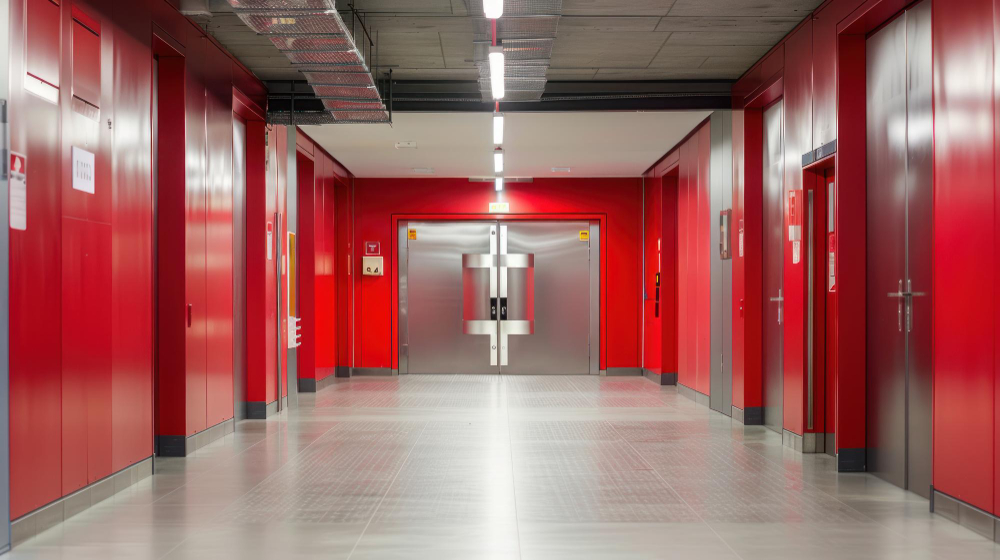
- Requirements: Most commercial buildings require fire doors in corridors, stairwells, and areas with a high fire risk, such as kitchens or server rooms.
- Challenges: Commercial buildings may need a combination of FD30 and FD60 doors depending on the layout and occupancy levels.
Residential Properties:
- Requirements: In multi-occupancy buildings like flats or apartment blocks, fire doors are typically required in communal areas, as well as in individual flats to separate living areas from hallways and escape routes.
- Challenges: Residential fire door installation often needs to balance safety with aesthetics, ensuring that the doors match the property’s interior design while still providing the necessary fire protection.
Public Buildings:
- Requirements: Schools, hospitals, and other public buildings must meet stringent fire safety regulations, often requiring FD60 doors in key areas.
- Challenges: High-traffic areas may require additional fire safety measures, such as reinforced fire doors or specialised hardware to withstand frequent use.
In all cases, it’s essential to work with a qualified fire door installer who understands the specific requirements of the property and can ensure that all fire safety regulations are met.
Case Studies of Successful Fire Door Installations in Kent
Looking at real-world examples of successful fire door installations can provide valuable insights into the importance of professional installation and maintenance.
Case Study 1: Residential Apartment Block in Maidstone
A newly constructed apartment block in Maidstone required fire doors in all communal areas and individual flats. A professional fire door installer was hired to install FD30 doors throughout the building. The installer worked closely with the building’s fire safety officer to ensure that all doors met the necessary standards. Following installation, the fire doors were inspected and passed all regulatory checks, providing residents with peace of mind.
Case Study 2: Office Complex in Canterbury
A large office complex in Canterbury required the installation of FD60 doors in server rooms and other high-risk areas. The installer was able to complete the installation within a tight timeframe, ensuring that the building remained compliant with fire safety regulations. The doors were fitted with high-quality intumescent seals and automatic closers to ensure they would perform as required in the event of a fire.
Frequently Asked Questions (FAQs)
1. How often should fire doors be inspected?
Fire doors should be inspected every six months to ensure that they are functioning correctly and that there are no signs of wear or damage that could compromise their effectiveness.
2. Can I install fire doors myself?
It is highly recommended that fire doors are installed by a qualified professional. Incorrect installation can compromise the door’s fire resistance and put building occupants at risk.
3. What is an intumescent strip, and why is it important?
Intumescent strips are fitted around the edges of fire doors and expand when exposed to heat, sealing the gap between the door and the frame. This helps to prevent the spread of fire and smoke.
4. How do I know if a fire door is compliant?
A compliant fire door will have a certification label indicating its fire rating. It will also be installed according to the relevant British Standards (BS 476 or BS EN 1634).
5. Can fire doors be used as regular doors?
Yes, fire doors are designed to function as regular doors under normal circumstances, but they must close automatically and latch fully to provide the necessary fire protection.
6. What is the difference between FD30 and FD60 doors?
FD30 doors provide 30 minutes of fire resistance, while FD60 doors provide 60 minutes of resistance. The choice of door will depend on the building’s fire safety requirements.
Conclusion
Fire doors are a critical component of any building’s fire safety system, providing essential protection for occupants and helping to prevent the spread of fire and smoke. Proper installation and regular maintenance of fire doors are essential for ensuring that they function as required in an emergency.
In Kent, fire door installers play a vital role in ensuring that buildings remain compliant with fire safety regulations and that doors are installed to the highest standards. Whether for a commercial office, a residential apartment block, or a public building, choosing a qualified and experienced fire door installer is essential for ensuring the safety of the building’s occupants.


