
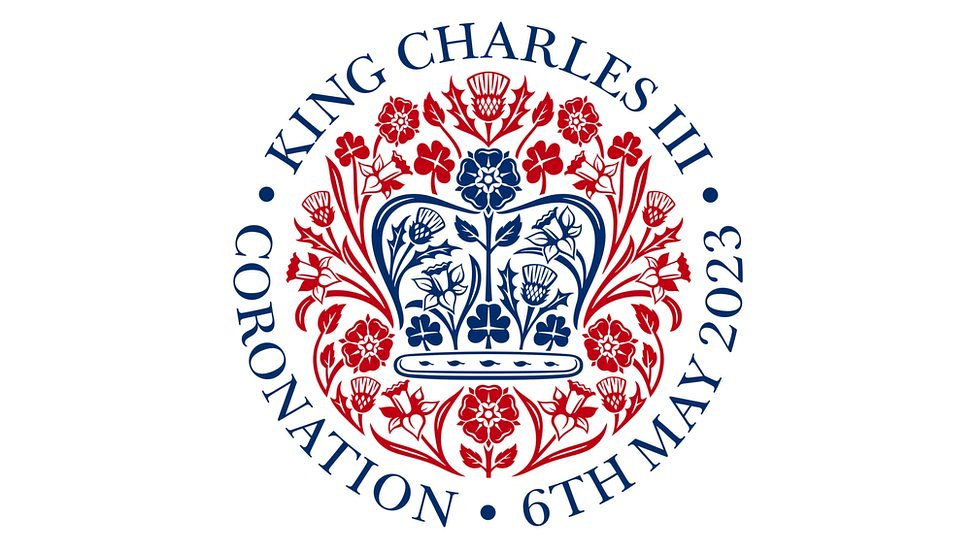
King Charles III Coronation:
King Charles III coronation takes place on May 6th 2023. In this article, I am going to tell you about how he has impacted the field of architecture so greatly, and arguably his greatest achievement, The Princes Trust.
In 1984, then Prince Charles was asked to address the architects at the British Architects 150th-anniversary dinner. During his speech, he took the guests by surprise, rather than applauding their efforts, he turned to criticise, describing the proposed extension of the National Gallery as a 'monstrous carbuncle'. This controversial statement resulted in the Prince becoming one of 'the most prominent architecture critics in the world'. Despite most royals remaining silent on matters that regard the public, he has chosen to be outspoken since his initial 1984 speech and has not hesitated to offer his opinions on contemporary or urban planning.
King Charles' preferred style is emphasised by his long-term campaign for traditional urbanism, classical design and restoration of historical buildings. It is easy to believe that his obsession with this aesthetic comes from the fact that he studied history, has grown up in historic buildings and frankly, is a part of history himself.
Prince Charles recognised the reaction he received from sharing his opinions on modernist architecture and used this to his advantage, releasing a magazine called Perspective. This was followed by his philosophic architecture book called A Vision of Britain, and finally his own architectural institute that centred around his preferred Classicist style.
Some strongly disagree with the amount of influence he has on architectural design, with some saying 'he uses his power to influence' and is 'the bane of the architectural profession'. Not only has he used his power to sway individual projects, but rather the entire debate on what architecture is, who it is for and what it should look like. Post 1984 speech, in which he described the National Gallery project as a 'monstrous carbuncle', the entire design was discarded and the architect in question who produced the plans ended up having a failed career. Rather than his interference being entertaining since he was a Prince with little to no experience in the architectural field, it became sinister, breaking multiple careers and making others. Most recently, Charles directly contacted the Qatari royal family to get Richard Rogers removed from the project of redeveloping the Chelsea Barracks.
However, when the mid-90s came around, his hard work began to fizzle and his passion projects folded. During this time period, the royal family had started to lose their hold on the British public, with their authority and golden reputation slipping away. With this, HRH began to lose his interest in architecture and decided to focus on alternative medicine and setting up The Princes Trust. His hasty decision to put his love of architecture behind him sparked anger within the architectural community considering his previous comments had lost people their careers. In 2004, Charles wrote to English Heritage saying 'I recognise I am an ignorant amateur in these weighty bureaucratic matters', full of false self-criticism, knowing that any recipient of the royal crest on a letter will jump at the opportunity of having his attention on a project.
In 2009, Charles apologised for how he addressed the institute back in 1984, stating 'I am sorry if I somehow left the faintest impression that I wished to kick-start some kind of 'style-war' between Classicists and Modernists, or that I somehow wanted to drag the world back to the 18th century, all I asked for was room to be given to traditional approaches to architecture and urbanism'.
King Charles' most notable contribution to architecture is arguably his 'experimental' town in Poundbury, designed to be a walkable community and aimed to be completed in 2025 after 30 years of construction. Poundbury, an urban extension, was built around Charles III principles of design, one of which is that designing according to natural order contributes towards humanity on the 'physical, communal, cultural and spiritual levels'.
The Princes Trust:
The Princes Trust was set up in 1976 after Charles had completed his duties in the Royal Navy. He decided to dedicate his time to improving the lives of the less fortunate, helping disadvantaged young people in the UK.
Unemployment was at an all-time high during the 1970s which was alongside the spiralling inflation. Young people were being disregarded, they felt forgotten about and left behind. Then Prince Charles recognised this issue and used his Navy severance pay of £7400 to fund small community projects. 21 pilot projects were set up which is where The Princes Trust began.
When the 80s hit, the employment crisis only became worse, now with 3 million out of work and young people had really started to give up on hope within society. Whilst this lack of morale was occurring, The Princes Trust was slowly developing into something that could help millions across the nation. The first program that they released was Enterprise in 1983, which was set up to help youths start their own business with each person being designated a mentor for one-on-one support. Within 3 years, the program had helped 1000 young people start up their own businesses, and since 1983, Enterprise has supported 86,845 people. After the success of the first program, The Princes Trust released The Princes of Wales Community Venture. This is an intensive 42-week program which contains a mix of challenges, outdoor activities, teamwork and community projects. This later developed into a 12-week program which was equally as successful.
In 1987, they had their first fundraiser called The Princes Trust Rock Gala which was a concert full of reputable names and familiar faces. Some of the artists who performed include Elton John, Phil Collins, Kate Bush and Bryan Adams.
By 2001 the trust was supporting over 25,000 young people across the UK, meaning the charity was working at an impressive scale and making a huge impact. Mass unemployment seemed a thing of the past, so they next turned to the long-term jobless, those who were in need of the greatest support. In 2010, the economic crisis led to one in five young people being out of work. The Trust had a rapid response and began to raise more money to help out additional people each year, despite needing over a million each week to fund this. To date, The Trust has reached more than 825,000 young people with 3 in 4 moving into education, employment or training.
Charles is now the president of The Trust, with no legal responsibility. There is rather a council that are trustees for all managerial decisions, along with administration and deciding policy. In 2020, The Princes Trust announced that they have supported 1 million young people to date in September. You can find out more about The Trust on their website and hear from the real people who have been supported and able to achieve their dreams because of the program.


